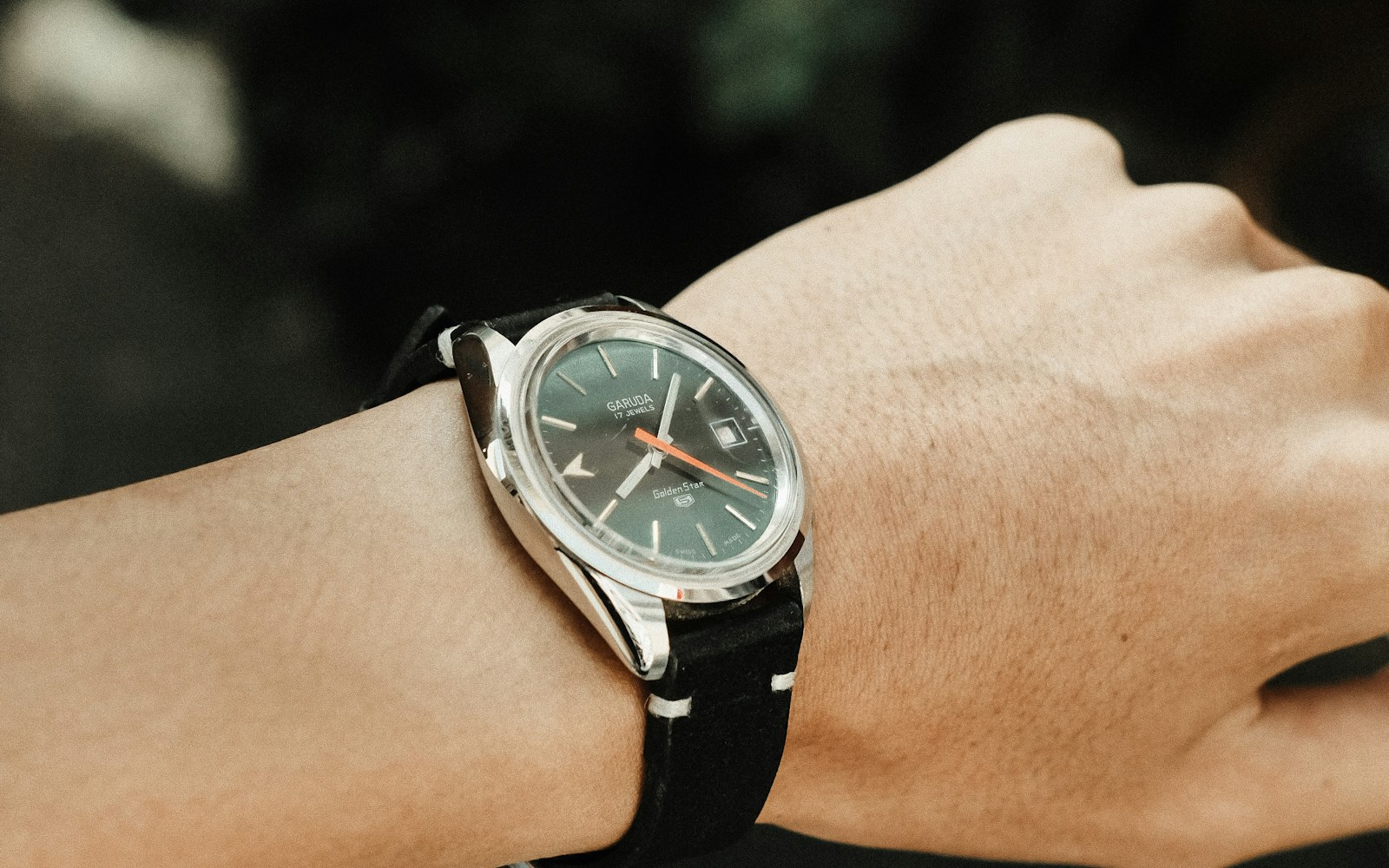
The watch will alternate with a phone and may rest for several days between wears. Its appeal is the mechanical movement and ownership ritual, but resetting the time and arranging eventual service are part of that experience.
Focus on case dimensions, winding type, power reserve guidance, timekeeping tolerance, movement service, water-use instructions, strap fit, and seller support. Mechanical watches vary naturally and should not be judged by quartz expectations.
Begin with the friction you want to remove. A product that fits your space, habits, and willingness to maintain it is usually more useful than the option with the longest specification sheet.
What matters in daily use
- Compare case length and thickness with a watch that already fits the wrist.
- Understand automatic versus hand-wound operation and how the watch restarts after stopping.
- Read the published timekeeping tolerance and power-reserve guidance.
- Ask who can service the movement and how parts support is handled.
- Confirm return conditions before removing films, sizing a bracelet, or wearing outside.
Confirm dimensions, included parts, materials, compatibility, care requirements, and the current return policy on the seller or manufacturer page before buying.
A practical shortlist
These product types are research starting points, not hands-on test winners. Each serves a different version of the problem.
Time-only automatic watch
Best for: A simple first experience with fewer settings.
Tradeoff: May stop between wears and needs periodic service.
Check current options ↗Retailer research link; no tracking ID is active at publication.Hand-wound mechanical watch
Best for: Wearers who enjoy a daily winding ritual.
Tradeoff: Requires regular manual attention.
Check current options ↗Retailer research link; no tracking ID is active at publication.Automatic watch with date
Best for: Daily wear with a practical calendar display.
Tradeoff: Date setting adds steps after the watch stops.
Check current options ↗Retailer research link; no tracking ID is active at publication.Think beyond checkout
Value includes storage, cleaning, replacement parts, consumables, charging, servicing, and how often you will realistically use the item. Keep packaging until fit and function are confirmed, and do not alter or wash return-sensitive products before checking the policy.
Before you buy
- Write down the recurring situation the purchase needs to solve.
- Measure the available space or confirm fit and compatibility.
- Compare the useful features, not the longest feature list.
- Read current care, delivery, and return terms.
- Decide which tradeoff you can comfortably live with.
Bottom line
Buy a size that disappears comfortably on the wrist and a movement whose upkeep feels worthwhile. Clear documentation, service access, and a workable return window belong in the decision.